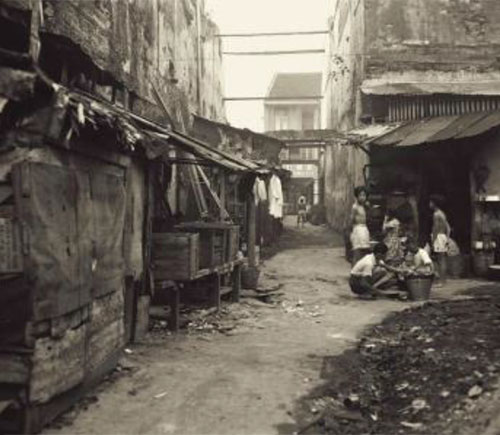
For many many decades, Singapore wasn’t the modern, clean, beautiful and advanced country known today. It was a was a grimy, poor, overcrowded and crime-ridden colonial slum were many desperate foreign workers came to make a living. Flash floods and fires regularly cost lives and livelihoods of the people. And there was hardly any source of clean water, and are forced to live in cramped, dilapidated cubicles. People at the time use buckets to collect hundreds of faeces. As the lavatories were not properly built, the leaked faeces, along with other wastes churned from the city, were drained into the main wells and rivers in the country, causing fatal epidemics such as cholera and smallpox, decimating the population. While Singapore was an important colonial port for Britain economically, the local economy was built on vices like opium, alcohol and slaves. In the 1940s, the Japanese invasion burnt down the economy. Singapore hit rock bottom.
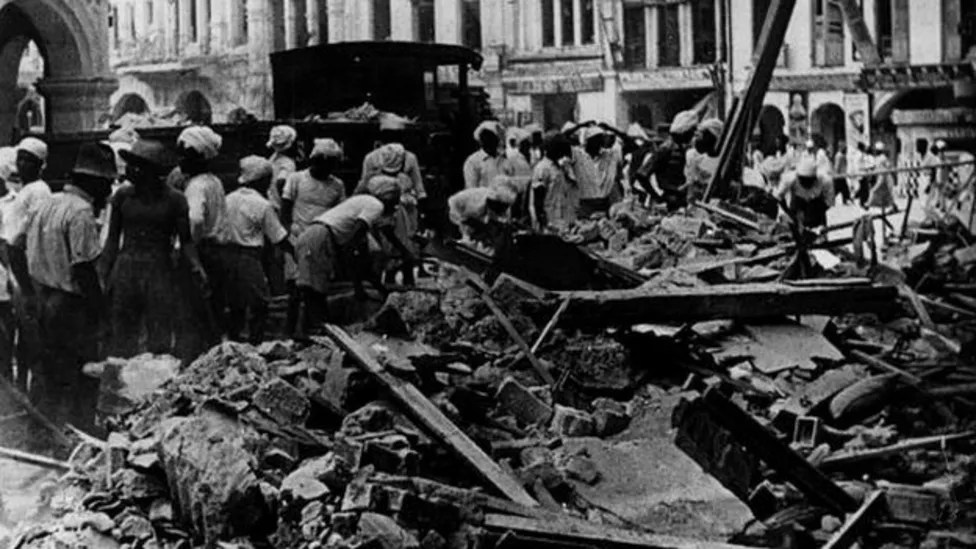


Soon, something remarkable happened. After the Japanese surrender, the world was experiencing a tectonic shift. For Singaporean dwellers, the waves of anti-colonialism and nationalism hit deep into their core. Many people in Singapore shed their loyalties to the British Empire and started to seek new futures for the country and their own. Amid the physical destruction, economic downturn and ethnic conflicts in the country, Singapore witnessed the most vibrant political scene of its history, and many camps emerged to assert the ultimate vision for the country.
The violence, coalitions, manipulations, betrayals, hopes and letdowns that defined that short era deserves a blog of its own. That era ended in 1965 when Singapore was kicked out of Malaysia. Years before, the Prime Minister of Singapore at the time, Lee Kuan Yew, under his political party PAP, thought that merging Singapore with Malaya (becoming Malaysia) would solve most of the country’s own problems on poverty, unemployment and apparent terrorism by the communists. The merger succeeded in 1963. Right after, it was immediately clear that the merger was a mistake. Not only did it fail to meet Lee’s expectations, his ambition and arrogance had made the Malay nationalists up-north insecure of their political power. This soured his relationship with the federal state in Kuala Lumpur. Two short years after the merger, the federal government kicked Singapore out of Malaysia. In 1965, Singapore was out, and now, Lee and his team had to solve all their country’s issues themselves.
You are currently in page 2 of this blogpost. Please click on 3 below to continue reading.
 Randolph Yew
Leave a comment